
Pinterest has a Spam Affiliate Problem
This is a messy article for now, outlining what I know about Affiliate Spam Networks gaming social media platforms like Pinterest.
For years, I built a thriving presence on Pinterest—investing time, creativity, and even $80,000 in ad spend—only to watch it all unravel due to Pinterest’s inconsistent enforcement, lack of transparency, and outright refusal to address platform-wide abuse.
This category documents my firsthand experience with Pinterest, from suspicious account suspensions to corporate gaslighting, deleted evidence, and policy loopholes exploited by bad actors.
🔹 How did Pinterest handle my DMCA claims? (Hint: Poorly.)
🔹 What happens when you report blatant trademark and copyright abuse? (Answer: Not much.)
🔹 Why did Pinterest ignore my reports while allowing spam networks to flourish?
🔹 How did they take my ad dollars while making it impossible to protect my content?
🔹 Why does their legal team avoid accountability?
If you want to understand what happens when Pinterest decides you’re expendable, or how the platform protects fraud while silencing legitimate users, this category breaks it all down.
This is a messy article for now, outlining what I know about Affiliate Spam Networks gaming social media platforms like Pinterest.
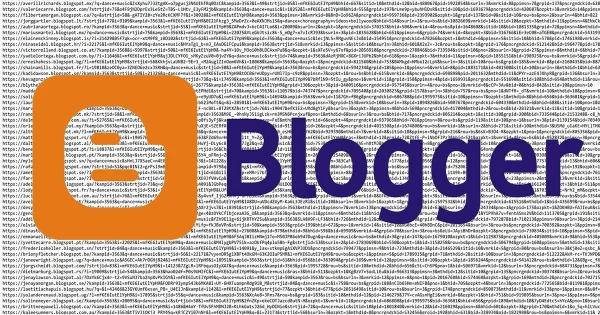
An in-progress post about Pinterest’s biggest exploit: How malicious actors use Blogspot to evade domain bans and redirect users to harmful websites. Updates coming as I investigate.

Pinterest Executives prefer that I continue to send reports of malware and spam to the blackhole they call the Help Center.
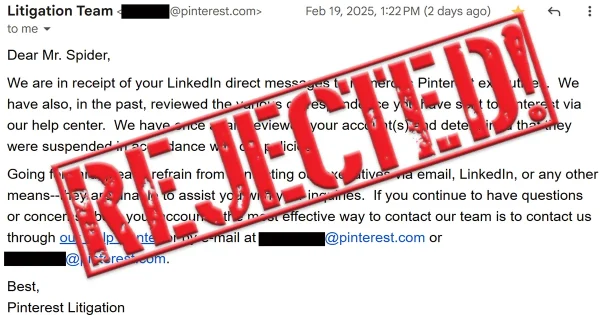
Since November, I hoped to reason with Pinterest. Instead, their email proved they don’t care …ignoring platform wide abuse.